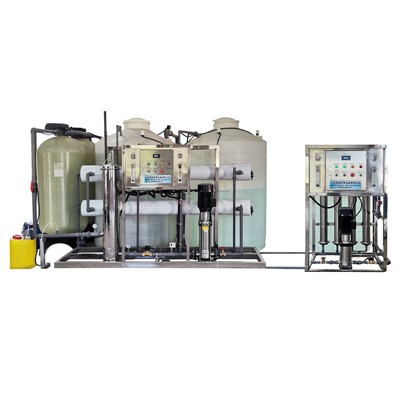
As a provider of membrane filtration equipment, I’ve often been asked about the principles behind these remarkable machines. Membrane filtration technology is a cornerstone in many industries, from water treatment to pharmaceutical production, and understanding its principles can greatly enhance the appreciation of its capabilities. Membrane Filtration Equipment
Basic Concept of Membrane Filtration
At its core, membrane filtration is a physical separation process that uses membranes as a selective barrier. These membranes have pores of a specific size, allowing particles smaller than the pore size to pass through while retaining larger ones. This concept is similar to a coffee filter, which lets the liquid coffee pass through but holds back the coffee grounds. However, membrane filtration is far more precise and can be used to separate particles at a much smaller scale, from micrometers to nanometers.
The membranes used in membrane filtration equipment are typically made from various materials, including polymers, ceramics, and metals. Each material has its own set of properties, such as chemical resistance, mechanical strength, and compatibility with different fluids. For example, polymeric membranes are commonly used due to their flexibility, ease of manufacturing, and relatively low cost. Ceramic membranes, on the other hand, offer excellent chemical and thermal stability, making them suitable for harsh industrial environments.
Types of Membrane Filtration
There are several types of membrane filtration processes, each with its own principle and application:
Microfiltration (MF)
Microfiltration is the coarsest form of membrane filtration, with pore sizes ranging from 0.1 to 10 micrometers. It is primarily used to remove suspended solids, bacteria, and some large particles from a fluid. In the food and beverage industry, microfiltration is used to clarify liquids, such as beer and fruit juices, by removing yeast, bacteria, and other particulate matter. The principle behind microfiltration is based on surface sieving, where particles larger than the pore size are physically retained on the membrane surface.
Ultrafiltration (UF)
Ultrafiltration has smaller pore sizes, typically ranging from 0.001 to 0.1 micrometers. It can remove macromolecules, such as proteins, polysaccharides, and colloids, as well as some viruses. The separation mechanism in ultrafiltration is a combination of surface sieving and adsorption. In addition to physical retention, some molecules may adsorb onto the membrane surface due to electrostatic or hydrophobic interactions. Ultrafiltration is widely used in the pharmaceutical industry for the purification of biopharmaceuticals, such as vaccines and monoclonal antibodies.
Nanofiltration (NF)
Nanofiltration has even smaller pore sizes, in the range of 0.001 to 0.01 micrometers. It can remove divalent ions, small organic molecules, and some viruses. The separation in nanofiltration is based on a combination of size exclusion, charge effects, and Donnan exclusion. The membrane has a slight negative charge, which repels negatively charged ions and molecules, enhancing the separation efficiency. Nanofiltration is commonly used in water treatment for the removal of hardness, color, and some organic contaminants.
Reverse Osmosis (RO)
Reverse osmosis is the most precise form of membrane filtration, with pore sizes typically less than 0.001 micrometers. It can remove almost all dissolved salts, organic compounds, and microorganisms from a fluid. The principle of reverse osmosis is based on applying pressure to overcome the osmotic pressure of the solution. When pressure is applied to the feed side of the membrane, water molecules are forced through the membrane, leaving behind the dissolved solutes. Reverse osmosis is widely used for desalination of seawater and brackish water, as well as in the production of high-purity water for industrial and pharmaceutical applications.
Operating Principles of Membrane Filtration Equipment
The operation of membrane filtration equipment involves several key steps:
Feed Introduction
The fluid to be filtered, known as the feed, is introduced into the membrane filtration system. The feed can be a liquid or a gas, depending on the application. The flow rate and pressure of the feed are carefully controlled to ensure efficient filtration.
Filtration Process
As the feed passes through the membrane, the separation occurs based on the pore size and separation mechanism of the membrane. The particles or molecules that are retained on the membrane surface form a layer known as the cake or fouling layer. This layer can increase the resistance to flow and reduce the filtration efficiency over time.
Permeate Collection
The fluid that passes through the membrane is called the permeate. The permeate is collected and can be further processed or used directly, depending on the requirements of the application. The quality of the permeate is determined by the separation efficiency of the membrane.
Backwashing and Cleaning
To maintain the performance of the membrane, periodic backwashing and cleaning are required. Backwashing involves reversing the flow of the fluid through the membrane to remove the cake layer and restore the flux. Cleaning may involve the use of chemical agents to remove stubborn fouling and contaminants from the membrane surface.
Factors Affecting Membrane Filtration Performance
Several factors can affect the performance of membrane filtration equipment:
Membrane Properties
The pore size, porosity, surface charge, and material of the membrane all have a significant impact on the separation efficiency. A membrane with smaller pore sizes can achieve higher levels of filtration but may also have a lower flux. The surface charge of the membrane can affect the interaction with charged particles and molecules, influencing the separation mechanism.
Feed Characteristics
The composition, concentration, and particle size distribution of the feed can affect the filtration performance. A feed with a high concentration of particles or a wide particle size distribution may cause more severe fouling and reduce the flux. The presence of certain substances, such as oils, proteins, and polymers, can also cause membrane fouling and require special cleaning procedures.
Operating Conditions
The operating conditions, such as pressure, temperature, and flow rate, can affect the filtration performance. Higher pressures can increase the flux but may also cause more severe fouling. Higher temperatures can reduce the viscosity of the fluid and increase the flux, but they may also affect the stability of the membrane. The flow rate can affect the residence time of the feed on the membrane surface, influencing the fouling rate.
Applications of Membrane Filtration Equipment
Membrane filtration equipment has a wide range of applications in various industries:
Water Treatment
In the water treatment industry, membrane filtration is used for the purification of drinking water, wastewater treatment, and desalination. Microfiltration and ultrafiltration are used to remove suspended solids, bacteria, and viruses from water, while nanofiltration and reverse osmosis are used to remove dissolved salts and organic contaminants.
Food and Beverage Industry
In the food and beverage industry, membrane filtration is used for the clarification, concentration, and purification of liquids. Microfiltration is used to clarify beer, wine, and fruit juices, while ultrafiltration is used for the concentration of dairy products and the purification of food additives.
Pharmaceutical Industry
In the pharmaceutical industry, membrane filtration is used for the purification of biopharmaceuticals, such as vaccines, monoclonal antibodies, and antibiotics. Ultrafiltration and nanofiltration are used to remove impurities, such as host cell proteins and DNA, from the product.
Biotechnology Industry
In the biotechnology industry, membrane filtration is used for the separation and purification of biomolecules, such as proteins, enzymes, and nucleic acids. Ultrafiltration and diafiltration are commonly used for buffer exchange and concentration of biomolecules.
Conclusion
Membrane filtration is a powerful and versatile technology that offers many advantages, such as high separation efficiency, low energy consumption, and environmental friendliness. As a provider of membrane filtration equipment, we are committed to offering high-quality products that meet the specific needs of our customers. By understanding the principles of membrane filtration, our customers can make informed decisions about the selection and operation of our equipment.
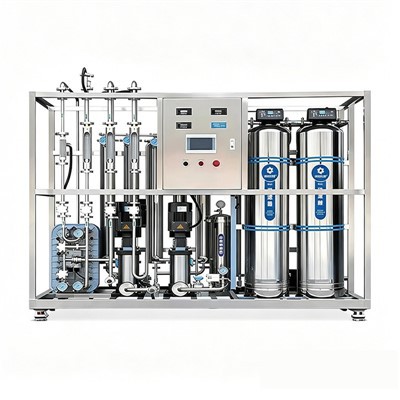
Reverse Osmosis Water System If you are interested in our membrane filtration equipment or have any questions about the technology, please feel free to contact us for a detailed discussion. We look forward to the opportunity to collaborate with you and help you achieve your filtration goals.
References
- Cheryan, M. (1998). Ultrafiltration and Microfiltration Handbook. Technomic Publishing.
- Mulder, M. (1996). Basic Principles of Membrane Technology. Kluwer Academic Publishers.
- Strathmann, H. (2010). Synthetic Membranes: Science, Engineering and Applications. Wiley-VCH.
Shandong Yanuo Environmental Protection Equipment Co., Ltd.
We’re well-known as one of the leading membrane filtration equipment manufacturers and suppliers in China, featured by quality products and good price. Please rest assured to buy bulk membrane filtration equipment made in China here from our factory. Customized orders are welcome.
Address: North Side of the Road, 1,000 Meters West of the Intersection of Fenghuangshan West Road and Provincial Highway S102, Wangfu Subdistrict, Qingzhou City, Weifang City, Shandong Province.
E-mail: ynhb.499973983@gmail.com
WebSite: https://www.zkyaruo.com/
