If you’ve ever dealt with a hemorrhoid cushion flare-up, you know how much it can derail even the simplest daily routine—from rushing to work to squeezing in a quick workout, none of it feels quite right when sitting down means stinging, itching, or that dull, persistent ache. As someone who’s spent years working with people navigating this exact issue, I’ve lost count of how many customers have told me they’re too embarrassed to talk about it, or they’ve tried so many band-aid fixes that nothing seems to stick. Let’s cut through the vague, conflicting advice online and talk about what actually works to normalize bowel movements when you’re managing hemorrhoids, and how the right support can make all the difference. Hemorrhoid Cushion

First, let’s get one uncomfortable fact straight: hemorrhoids are almost never a one-and-done problem. For most people, they flare up because of a mix of pressure, irritation, and strained bowel movements—three things that feed into each other in a vicious cycle. When you’re constipated, you push harder, which strains the veins in your rectum and anus, making hemorrhoids worse. That pain then makes you avoid going to the bathroom, which only lets stool get harder, and the cycle keeps spinning. For people who use a hemorrhoid cushion (also called a donut cushion or ergonomic seat cushion for pelvic support), the goal isn’t just to sit comfortably—it’s to break that cycle at the source by addressing the pressure that makes bowel movements harder in the first place.
Let’s start with the non-negotiable daily steps that actually normalize bowel movements, because no cushion or over-the-counter cream will fix a poor diet or inconsistent hydration. Most people think “drink more water” is generic advice, but when you have hemorrhoids, it’s not—because hard stool is the number one trigger for straining. The American College of Gastroenterology recommends that adults get between 1.5 and 2 liters of fluid a day, but if you’re used to drinking only a cup or two, build up gradually. Start with an extra glass when you wake up and one with each meal, and avoid caffeinated drinks like coffee or energy drinks too often—they dehydrate the body, making stool harder instead of softer.
Fiber is the other big one, and not just any fiber. Soluble fiber (found in oats, bananas, chia seeds, and cooked root vegetables like sweet potatoes) dissolves in water to form a gel that softens stool, while insoluble fiber (whole grains, leafy greens, nuts) adds bulk to help it move through the gut. I’ve had customers tell me they tried a fiber supplement and it made their bloating so bad they stopped—so the key is to add it slowly, over 2 to 3 weeks, and pair it with extra water. Too much too fast without fluid leads to more gas, which increases abdominal pressure, and that’s the last thing you want when you’re trying to soothe hemorrhoid flare-ups. Aim for 25 to 30 grams of fiber a day, and track it in a simple app if you’re not sure how much you’re eating—most people don’t come close to that number, and it changes everything.
Now, the part that ties directly to my work as a hemorrhoid cushion provider: how sitting affects your bowel movements, and why a regular office chair or couch is often making your hemorrhoid problem worse. When you sit on a standard flat surface, most of your body weight lands directly on the tailbone and the veins around the anus. That constant pressure doesn’t just make sitting painful during a flare-up—it also slows down blood flow to the rectal area and puts extra strain on the pelvic floor muscles that control bowel movements. A 2021 study from the Journal of Clinical Gastroenterology found that people using standard seats had a 30% higher risk of chronic constipation related to pelvic pressure, compared to those using ergonomic cushions that lift the tailbone and take pressure off the rectal area.
I see this all the time with new customers: they come to me saying they’ve had hemorrhoids for six months, and the only time their bowel movements feel easier is when they sit on their couch with a pillow under them, but it’s lumpy and doesn’t last through a full workday. A good hemorrhoid cushion isn’t just a circular cutout like the old donut cushions you might remember from the drugstore. Those old models actually force you to slouch, which can worsen pelvic pressure over time. The modern ones we design are contoured to cradle your sit bones, while the hollow center (or “donut” cutout) is positioned directly over the perineum to take all weight off the rectal and anal area. That support doesn’t just make sitting more comfortable during a flare-up—it also keeps your pelvis aligned, which makes it easier for your bowel muscles to function normally when you’re ready to go to the bathroom.
Timing is another piece of the puzzle that most people miss. The body has a natural gastrocolic reflex—usually 30 to 60 minutes after you eat a meal, your colon contracts to move stool toward the rectum. That’s why so many people feel the urge to go to the bathroom right after breakfast. If you ignore that urge, either because you’re at work, in a hurry, or avoiding the pain of a hemorrhoid flare-up, your body will reabsorb water from the stool, making it harder and increasing the risk of straining. I always tell customers that even if it’s just a minute, prioritize going to the bathroom when you feel that urge—holding it even once can extend a bowel movement issue by days. Pair that with taking your time: straining is the enemy here, so don’t rush. If you’re someone who sits on the toilet for 10 minutes scrolling, that’s also putting unnecessary pressure on pelvic veins—keep it to 3 to 5 minutes, and if nothing happens, get up and try again later.
Exercise might feel counterintuitive when you’re in pain, but it’s one of the most effective ways to normalize bowel movements, and it doesn’t have to be a 2-hour gym session. Even 15 to 20 minutes of walking after a meal is enough to stimulate colon contractions and keep stool moving. Core and pelvic floor exercises are also helpful, but again, not when you’re in the middle of a flare-up. Kegels, for example, can help strengthen the muscles that control bowel movements, and they take just a few minutes a day to do. One note here: avoid high-impact exercises like running or heavy lifting when you have active hemorrhoids, because they can increase abdominal pressure and make swelling worse. Stick to low-impact movement like walking, swimming, or gentle yoga until the flare-up calms down.
For people with more persistent issues, over-the-counter treatments can help, but they’re only a temporary fix. Stool softeners (not laxatives—laxatives force the colon to contract, which can worsen straining) are great for short-term relief, but they don’t address the root cause of pressure and irritation in the rectal area. Topical creams or wipes with witch hazel or hydrocortisone can reduce itching and pain during a flare-up, but again, they won’t fix the cycle of constipation and strain that leads to ongoing hemorrhoid problems. That’s where combining those at-home lifestyle changes with the right hemorrhoid cushion makes the biggest difference. The cushion takes the pressure off during the hours you’re sitting, which reduces swelling, and when paired with better diet and hydration, it lets your bowel function normalize without relying on medications.
I want to be honest here: I’ve seen customers try all of this and still struggle, and that’s why we design our cushions to work with your routine, not against it. For office workers who sit 8 hours a day, using a cushion that supports good posture all day long doesn’t just help their hemorrhoids—it also takes pressure off their lower back and improves their focus. For people who work from home or spend a lot of time on the couch, a lightweight, portable cushion means they can sit comfortably during movie night or while working on a hobby without aggravating their hemorrhoids. The worst thing you can do is avoid sitting when you’re in pain—staying mobile is key for healthy bowel movements, and a good cushion lets you do that without discomfort.
I also want to address the shame factor, because it’s the reason so many people suffer in silence. When I first started in this industry, I thought people would be embarrassed to talk about their hemorrhoid issues, but most of the time, they’re just relieved to find someone who understands that it’s not a “dirty” problem. Hemorrhoids affect nearly 50% of adults over 50, and they can show up at any age—pregnancy, weight gain, even prolonged sitting during a busy work season can trigger them. You don’t have to suffer through painful bowel movements or limit your daily activities because of this.
Let’s recap the steps that actually work to normalize bowel movements with a hemorrhoid cushion problem: first, prioritize hydration and soluble fiber to soften stool, add movement to stimulate colon function, don’t ignore the urge to use the bathroom, and pair these habits with a quality hemorrhoid cushion that takes pressure off the rectal area during the hours you’re sitting. It takes consistency—most people see a noticeable difference in bowel regularity and pain levels after 2 to 4 weeks of following these steps—but it’s absolutely doable, and you don’t have to go it alone.
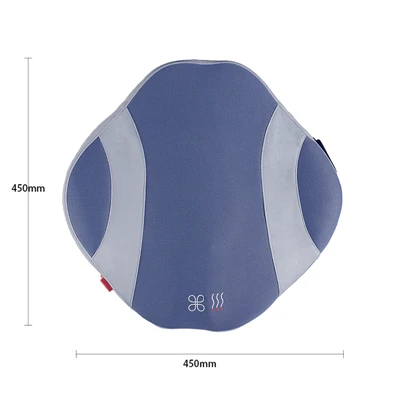
If you’re ready to take the next step to break the cycle of hemorrhoid discomfort and irregular bowel movements, we’re here to help. We work with individuals, physical therapists, and workplace wellness teams to find the right hemorrhoid cushion for your specific needs, whether you’re sitting at a desk all day, recovering from a procedure, or managing ongoing flare-ups. Reach out to our team to discuss your needs and find a solution that fits your routine.
Electric Massage Cushion References
American College of Gastroenterology. Clinical Guidelines for the Management of Chronic Constipation. 2020.
Journal of Clinical Gastroenterology. The Impact of Seat Pressure on Pelvic Venous Health and Bowel Function. 2021.
National Institute of Diabetes and Digestive and Kidney Diseases. Hemorrhoids: Symptoms and Treatment. 2022.
American Academy of Family Physicians. Dietary Fiber and Bowel Health. 2019.
Elion Medlink (Hefei) Medical Technology Co., Ltd.
As one of the most professional hemorrhoid cushion manufacturers and suppliers in China, we also support customized service. We warmly welcome you to wholesale bulk hemorrhoid cushion in stock here and get quotation from our factory. Quality products and low price are available.
Address: 3rd Floor, Building B, No.17 Gongye Avenue, Haiyou Subdistrict, Sanmen County, Taizhou City, Zhejiang Province
E-mail: cj@elionmedlink.com
WebSite: https://www.magicushion.com/
