Hey there, fellow plant lovers and conservatory owners, Fan Heater

Let’s cut to the chase: I get it. You’ve spent months—maybe even years—perfecting your conservatory. That glass structure, bathed in sunlight, is where your prized orchids hang, your tomato seedlings stretch toward the light, and maybe even your tropical monstera rules the roost. But when fall rolls around, and that cool breeze starts seeping through the window frames, that perfect, temperature-controlled space can turn into a chilly, disappointing spot for your plants—for a lot of us, that means reaching for a fan heater. But wait, if you’re anything like the dozens of homeowners who’ve messaged me this week alone, you’ve probably wondered: Can a fan heater actually be used in a conservatory, or am I wasting my money on a tool that’s going to make my space too hot, too dry, or worse, damage my setup?
I’m the lead at a fan heater supplier—so I get the ins and outs of how these things work, but I also get the specific, unique quirks of a conservatory that don’t apply to your average living room. Over the last three years, I’ve fielded hundreds of calls from people in your exact spot: someone in Bristol with a sunroom full of citrus trees that were wilting in October, a couple in Edinburgh who kept their heat pump on full blast but still couldn’t keep their conservatory above 5°C at night, a student in Manchester who thought fan heaters were too small for their 10-square-meter glass box. The short answer? Yes, a fan heater can absolutely be used in a conservatory—but there’s a big “but” here: not all fan heaters are made for this specific space, and using the wrong one isn’t just inefficient—it could ruin your plants, your structure, or even end up costing you way more in energy bills than you bargained for.
Let’s start with why conservatories are so different from regular rooms, because that’s the mistake most people make: they treat their conservatory like a extra living space, but it’s a glass box with very different temperature and humidity dynamics. First, sun exposure. Even on cool days, that glass acts like a greenhouse—during the day, it can shoot up to 30°C or even higher, but after the sun goes down, the glass radiates all that heat back out, and temperatures can plummet 10 to 15 degrees in just a few hours. Second, humidity. Plants transpire—they release moisture through their leaves—and glass traps that moisture, but if you blast a fan heater that’s not designed for humidity, it will suck that moisture right out of the air, leaving your orchids crispy, your spider plants brown at the tips, and even cracking the paint on your window frames over time. Third, air circulation. A lot of new conservatory owners crank up the heat and leave it, but stagnant air is a breeding ground for mold and mildew on plant leaves—not to mention that even a small fan heater can help circulate that warm air evenly, so you’re not getting hot spots near the window and cold spots near the floor where your seedlings sit.
Now, let’s get to the nitty-gritty: how a fan heater actually works in this setting, and which ones do and don’t work. First, let’s rule out the things you definitely shouldn’t use. The tiny, cheap plug-in fan heaters you pick up at the discount store? They’re made for small, insulated living rooms, not glass spaces. They don’t have temperature controls that can adjust to the conservatory’s wild temperature swings, they use too much energy because they’re not sized right, and a lot of them don’t have any kind of safety shutoff—something critical when you have plants, pots of soil, and maybe even wooden furniture close by. I’ve had customers come to me after buying these cheap ones, saying their heater overheated in the middle of the night and woke them up to a stuffy conservatory where their basil was curling into little balls. Not ideal.
So what does work? Let’s break it down by the features that matter most for a conservatory-specific fan heater. First, thermostat accuracy is non-negotiable. A conservatory doesn’t need to be kept at a constant 20°C like a living room—most plants (even tropical ones) are fine with 15 to 20°C during the day, dropping to 10 to 15°C at night in the cooler months. A good fan heater for conservatories will have a digital thermostat that can be set to within 1°C, so it kicks on only when the temperature drops below your desired level, and shuts off once it hits that mark. No wasting energy, no overheating, no freezing plants.
Next, humidity-resistant design. This is a big one that most general fan heaters don’t have. Conservatories have higher ambient humidity—especially if you’re watering plants regularly, or have a water feature like a small birdbath or a fountain. A fan heater with a moisture-resistant casing (rated at least IP24, which means it can handle splashes from water) won’t short out, even if it’s a foot away from your potted plants or on the floor where occasional watering spills happen. I can’t tell you how many times someone has told me their old fan heater died after a few months because of moisture buildup—so this feature is worth the extra 10% on the price tag, trust me.
Then there’s sizing, and this is where a lot of people go wrong. The rule of thumb for any heater is to get one that can heat the space by 5 to 10 degrees, but for conservatories, you need to adjust for the glass. A regular 10-square-meter living room would need a 1500W heater, but a 10-square-meter conservatory? You need at least 2000W, because all that glass is losing heat faster. I always tell customers to measure their conservatory’s square footage, multiply by 250 to get the approximate wattage they need (so a 12-square-meter conservatory would be 3000W), and round up if it’s especially drafty or has a lot of large, heat-trapping plants that need extra warmth. Don’t undersize it—you’ll end up running it all day and night, wasting energy, and still your plants will suffer. Oversizing is bad too—you’ll blast the space too hot, dry out the plants, and rack up a huge electric bill.
Wait, but what about fan heaters with a fan-only setting? That’s not just a nice extra—it’s critical. During the spring and fall, when the weather is mild, you don’t always need heat—sometimes you just need to circulate the air to prevent mold. A lot of general fan heaters have a fan-only setting, but make sure it’s powerful enough to move air around a glass box. I recommend a fan speed of at least two settings: low for gentle air movement when the temperature is mild, high for quickly circulating warm air when it’s cold.
Now, let’s talk about common mistakes people make when using a fan heater in a conservatory, because even the best heater won’t work if you set it up wrong. First, don’t place it directly against a glass wall. Glass is cold, and if your heater is blowing hot air right onto a cold window, the air will cool down instantly, and you’ll waste energy heating empty space. Place it in the middle of the room, or against a solid wall (if your conservatory has one), so the warm air can circulate evenly across the entire space. Second, don’t leave it running on high all day. Use the thermostat to set a consistent range—most of my customers set theirs to turn on at 12°C and off at 16°C at night, which is perfect for most tropical plants, orchids, and even citrus trees. During the day, if the sun is out, you can turn it off entirely—because that glass will hold heat way better than most people think. Third, keep it a safe distance from plants, pots, and flammable materials. Most fan heaters have a minimum clearance rule—usually 30cm from any objects, including plants. Don’t tuck it behind a row of potted ferns, that’s a fire hazard, and it won’t circulate air properly.
I also want to address a concern I hear all the time: will a fan heater make my conservatory too dry? It’s a fair question. A lot of people think since fan heaters blow air, they suck out moisture, but that’s only true if you use a heater without any humidity control. The good news is that even the right fan heater for a conservatory won’t cause excessive dryness, as long as you pair it with regular plant care: mist your plants in the morning, group them together (this helps retain humidity between leaves), and if you have especially thirsty plants (like calatheas or maidenhair ferns), you can set up a small tray of pebbles filled with water under their pots—evaporation will add moisture to the air right where your plants need it. I also recommend checking your humidity levels with a cheap hygrometer—most houseplants do well at 40 to 60% humidity, so if it drops below that, you can either mist more or invest in a small humidifier, but in my experience, a properly sized, humidity-resistant fan heater won’t make humidity drop more than 5 or 10%.
Now, let’s talk about energy efficiency, because that’s probably on your mind too. A lot of people avoid fan heaters because they think they’re expensive to run, but if you get the right one for your conservatory, it’s actually one of the most efficient heating options for glass spaces. Unlike electric radiators, which take a long time to warm up and lose heat quickly through glass, fan heaters heat air instantly and circulate it evenly, so you’re not wasting heat on cold spots. A well-insulated conservatory with a properly sized fan heater will cost you about £50 to £70 a month in the coldest months of the year, which is way cheaper than upgrading to a full central heating system just for your glass box. And if you get a model with a programmable thermostat, you can set it to only run at night when temperatures drop, so you don’t waste energy during the day when the sun is keeping your space warm.
Wait, but what about winter frost? If you live in a place that gets hard frosts—like Scotland, or the north of England—can a fan heater actually keep your conservatory from freezing? For light frosts (down to -2°C), yes, a properly sized fan heater will do the job. But for temperatures below that, you might need a little extra help—like insulating your glass with bubble wrap at night, or adding a small secondary heater for the coldest weeks. I always recommend pairing your fan heater with a frost protection cover for your plants, just in case of a sudden cold snap. But for most of the year, especially for hardier plants like succulents, herbs, and winter vegetables, a good fan heater is more than enough.
I should also mention that safety is a big deal, especially if you’re using your conservatory as a living space (which a lot of people do) or if you have kids or pets around. All the fan heaters we supply for conservatories have overheat protection, which means they’ll shut off automatically if they get too hot, and tip-over protection, which shuts them off if they get knocked over. That’s a non-negotiable feature, no matter what size heater you get—never use a fan heater that doesn’t have these two safety features, no matter how cheap it is.
Now, I know this is a lot of info, so let’s sum it up quick: Yes, a fan heater can be used in a conservatory, but only if you get the right one (thermostat accuracy, humidity-resistant casing, correctly sized, safety features) and use it properly (placed correctly, set to the right temperature range, paired with basic plant care for humidity). The wrong fan heater will waste energy, damage your plants, or even be a fire hazard—but the right one is a game-changer for anyone who wants to use their conservatory year-round, not just from April to October.
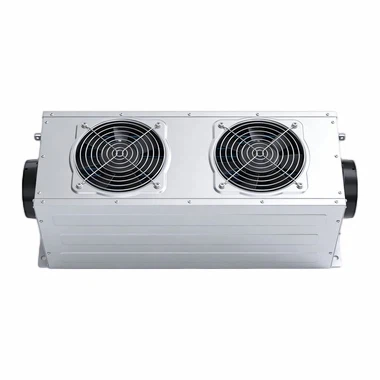
If you’re not sure which fan heater is right for your conservatory, or you have questions about sizing, installation, or using it with your specific plants, I’m here to help. We supply a range of conservatory-specific fan heaters, designed specifically for the unique needs of glass spaces—no cheap, one-size-fits-all models, just heaters built to heat evenly, resist moisture, and keep your plants happy. If you’d like to chat through your needs, we can help you pick the right size and model for your space, no pressure.
Solar Fan References:
- British Standards Institution. (2019). Safety of household and similar electrical appliances – Part 1: General requirements (BS EN 60335-1:2019).
- Royal Horticultural Society. (2022). Growing plants in a conservatory: Temperature and humidity management.
- Energy Saving Trust. (2023). Heating outbuildings and conservatories efficiently.
- International Electrotechnical Commission. (2021). Degrees of protection provided by enclosures (IP Code) (IEC 60529:2021).
Shengzhou Geeking Electric Appliance Technology Co., Ltd.
We’re well-known as one of the leading fan heater manufacturers and suppliers in China. With abundant experience, we warmly welcome you to buy bulk discount fan heater in stock here and get free sample from our factory. Quality products and low price are available.
Address: No. 19, Putian Avenue, Pukou Subdistrict, Shengzhou City
E-mail: 13588516010@163.com
WebSite: https://www.geekingfan.com/
