Hey there! I’m a supplier of hammer mills, and I’ve been in this business for quite a while. Over the years, I’ve learned a thing or two about how to optimize the operation of these machines. So, I thought I’d share some of my insights with you. Hammer Mill

First off, let’s talk about what a hammer mill is. A hammer mill is a machine that uses rotating hammers to crush or grind materials. It’s commonly used in industries like agriculture, mining, and recycling. The basic idea is to feed the material into the mill, where the hammers smash it into smaller pieces.
Now, let’s get into the nitty – gritty of optimizing its operation.
1. Proper Feeding
One of the most important aspects of running a hammer mill efficiently is proper feeding. You don’t want to overload the mill, but you also don’t want to starve it. If you feed too much material at once, the mill can get clogged, and the hammers won’t be able to do their job properly. On the other hand, if you feed too little, you’re not making the most of the mill’s capacity.
I usually recommend using a feeder that can control the flow rate. This way, you can adjust the amount of material going into the mill based on its size and the type of material you’re processing. For example, if you’re grinding something really hard, you might want to slow down the feed rate to give the hammers more time to break it down.
2. Hammer Selection and Maintenance
The hammers are the heart of the hammer mill, so choosing the right ones is crucial. There are different types of hammers available, and each is designed for a specific type of material. For instance, if you’re dealing with soft materials like grains, you can use lighter hammers. But if you’re crushing hard rocks, you’ll need heavier, more durable hammers.
Regular maintenance of the hammers is also essential. Over time, the hammers will wear out. You should check them regularly for signs of wear and tear. If a hammer is too worn, it won’t be as effective at crushing the material, and it can also cause uneven wear on other parts of the mill. When you notice that a hammer is worn, replace it as soon as possible.
3. Screen Selection
The screen in a hammer mill plays a big role in determining the size of the output material. Different screens have different hole sizes, and you need to choose the right one based on your requirements. If you want a finer output, you’ll need a screen with smaller holes. But keep in mind that a screen with very small holes can also slow down the processing speed.
It’s a good idea to have a few different screens on hand so you can switch them depending on the job. And just like the hammers, the screens need to be checked regularly for damage. A torn or clogged screen can affect the quality of the output and the efficiency of the mill.
4. Rotation Speed
The rotation speed of the hammer mill is another factor that can impact its operation. Generally, a higher rotation speed will result in a finer output, but it also uses more energy. You need to find the right balance between the speed and the energy consumption.
The ideal rotation speed depends on the type of material you’re processing and the size of the mill. For example, if you’re grinding a soft material, you might not need a very high speed. But if you’re dealing with a hard material, a higher speed might be necessary to break it down effectively.
5. Lubrication
Proper lubrication is vital for the smooth operation of the hammer mill. All the moving parts, such as the bearings and the shafts, need to be lubricated regularly. Without proper lubrication, these parts can wear out quickly, leading to breakdowns and costly repairs.
Use a high – quality lubricant that’s suitable for the specific parts of the mill. And follow the manufacturer’s recommendations on how often to lubricate. Some parts might need to be lubricated daily, while others can go longer between lubrication intervals.
6. Dust Collection
Hammer mills generate a lot of dust during operation. Not only is this dust a health hazard for the operators, but it can also cause problems for the mill itself. Dust can accumulate on the moving parts, leading to increased friction and wear.
Install a good dust collection system to keep the dust under control. There are different types of dust collectors available, such as cyclone separators and bag filters. Choose one that’s appropriate for the size of your mill and the amount of dust it generates.
7. Operator Training
Even if you have the best – optimized hammer mill, it won’t perform well if the operator doesn’t know how to use it properly. Make sure your operators are well – trained on the operation, maintenance, and safety procedures of the hammer mill.
Training should cover things like how to start and stop the mill, how to adjust the feed rate, how to change the hammers and screens, and how to handle emergencies. A well – trained operator can not only improve the efficiency of the mill but also reduce the risk of accidents.
8. Regular Inspections
Regular inspections are key to keeping your hammer mill in top shape. Inspect the mill before each use to check for any obvious signs of damage or wear. Look at the hammers, the screens, the bearings, and the belts.
In addition to daily inspections, you should also conduct more in – depth inspections on a regular basis, such as monthly or quarterly. During these inspections, you can check for things like alignment, balance, and the overall condition of the mill.
9. Upgrades and Improvements
As technology advances, there are often new features and improvements available for hammer mills. Consider upgrading your mill from time to time to take advantage of these new developments.
For example, some newer hammer mills have more efficient motors, better control systems, or improved hammer designs. Upgrading can not only improve the performance of the mill but also reduce its energy consumption and maintenance costs.
10. Monitoring and Data Analysis
In today’s digital age, it’s a good idea to monitor the operation of your hammer mill and analyze the data. You can use sensors to collect data on things like the motor current, the temperature of the bearings, and the flow rate of the material.
By analyzing this data, you can identify trends and potential problems before they become serious. For example, if you notice that the motor current is increasing over time, it could be a sign of a problem with the hammers or the screen.
In conclusion, optimizing the operation of a hammer mill requires a combination of proper feeding, good maintenance, the right selection of parts, and well – trained operators. By following these tips, you can improve the efficiency, productivity, and lifespan of your hammer mill.
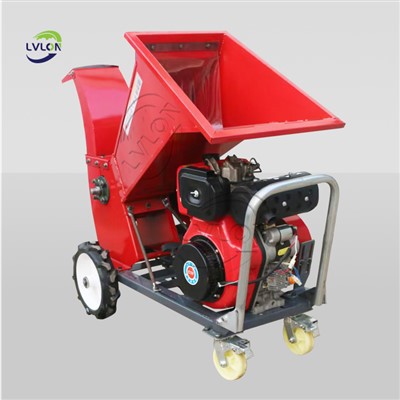
If you’re in the market for a hammer mill or need advice on optimizing your existing one, don’t hesitate to reach out. I’d be more than happy to have a chat with you and help you find the best solutions for your needs.
Grain Threshing References
- Handbook of Industrial Mixing: Science and Practice
- Principles of Powder Technology
Henan Lvlon Industrial Co., Ltd.
Address: Unit 5, 5th Floor, Building 11, No. 18 Dongfeng Road, Jinshui District, Zhengzhou City, Henan Province.
E-mail: lvlonxu@gmail.com
WebSite: https://www.lvlonmachinery.com/
