


Many children enjoy reading, drawing, and playing on their own, and these are valuable hobbies. Arts, crafts, and sports are vital components of physical or mental childhood development, and you can continue to promote them. Sports help the children physically, but they also train their minds to be sharp and agile.
Unfortunately, most kids nowadays waste much of their spare time on screens or watching too much television. In today’s world, children are obsessed with screen time, so it is especially appealing to see your child intake some fresh air and perform exercise, as well as push them to try new stuff.
Currently, 40% of Australians do not participate in any sport at all. In accordance to the Australian Bureau of Statistics, only six out of ten children aged 5 to 14 engage in sports outside of school. According to the April 2012 Australian Health Survey, 25% of Australian children and adolescents aged five to 17 are overweight or obese.
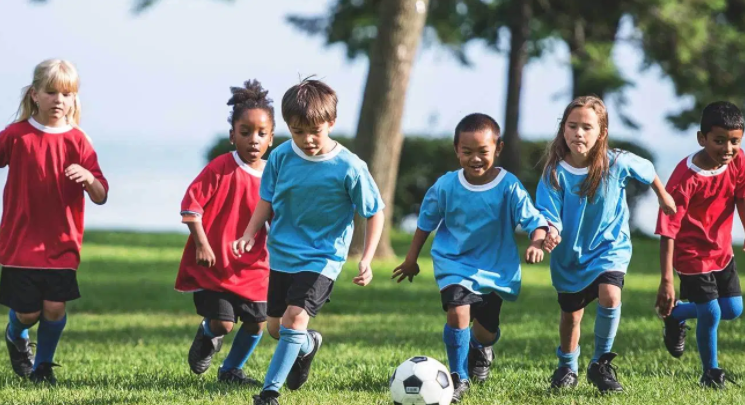
Therefore, we must cultivate a more sports-oriented community that allows children to be physically active. Active people have minimal risk of certain illnesses, including heart disease and osteoporosis. Regular exercise has also been shown to lower the risk of mental issues such as anxiety and depression.
Early in life, habits are created, and evidence indicates that physically active and sporty children have a good quality of life. According to studies, the effects of organized sports have a long-term impact. Sporty children have a more optimistic body image, do better in middle and high school, and are less likely to use drugs.
There are many advantages of the sports experience for children, and they are:
- Lower chance of obesity
- Improved cardiovascular fitness
- Bone, muscle, ligament, and tendon development that is stable
- Better coordination and posture
- A better capacity to mentally relax and, as a result, prevent the risks associated with chronic muscle stress (such as headache or backache)
- Playing sports ensures a good night’s sleep
- Sports improves social skills
- It results in a good mental health
So here are eight ways to get kids interested in sports:
-
Assess Their Interests
You have to be conscious of what kind of sports they would like according to the activity they would like doing. Which categories of sports excite and delight your child? Here are some recommendations for helping your kid pick the right sports for them:
- Try football if your child gets along well with other people, enjoys running around, and blows off steam by kicking whatever he can.
- Gymnastics is good if your child dances around the living room have strong balance, and shows upper-body power in the jungle gym.
- You can teach your kid baseball or softball if they enjoy playing catch and using her toys as pellets.
- Swimming is a great exercise if your child enjoys taking baths and does not panic when water gets in her eyes.
- Table tennis is an option, if your child is constantly jumping and skipping around and has solid hand-eye coordination.
- Basketball is another option, if your child enjoys bouncing a ball on the driveway, can throw her laundry into the hamper from several feet away, and enjoys working as part of a group: Take a look at hoops.
- Playing hockey is an alternative, if your child can skate across a clean kitchen floor without falling and can spend all day outdoors in cold weather.
If you’re unsure, ask a gym instructor, mentor, parent, or someone else who knows a lot about youth sports to recommend any possibilities. Get to know your child more. To know what their interest is you should have a good communication with children.
While you’re at it, ask the gym instructor or coach, or even other parents, for recommendations on sports programs. Also, look for coaches who have prior experience working with children who are learning these sports. This way your kid will express their interest and be happy to do what they really want to do.
-
Accept Their Game Choice.
Many families become overly focused on a particular sport for several reasons, including their personal experience or the future success and wealth to be made in a specific sport. They ignore their children’s decisions, which could reflect poorly later. Letting kids choose what they wish is a great parenting strategy. Accept any sports activity your child wishes to participate in, whether that is Shotokan karate or skateboarding.
Your kid, assuming they tried a few things over the last couple of years, has most likely established some preferences. Inquire about which team they would like to join. They may shock you with their answer. Parents consistently enroll their children in the same sports program as their peers, but this isn’t always the best solution. Parents are also inclined to enroll their children in the same games they played as a child.
So it is important to accept their game choice rather than putting in your bias. If you enroll kids in a game, they do not like it. It will impact their relationship with you. They will grow to resent the sport and maybe even their parents. Rather than coming to these negative results, trust your child’s choice when they are picking something that they want to join.

-
Teach them the basics
Pediatricians agree that most younger children are just not ready for competitive team sports. They are still learning basic motor skills, and mastering those movements is vital for later success in sports. When your child focuses on basic skills such as batting and kicking before mastering skipping and jumping, they will have difficulty racing and balancing effects.
It is more difficult for them to advance in the sport and may result in injury. Allowing your child at least 60 minutes of physical activity a day will enable them to learn the fundamentals. Adults may lead some plays, but unstructured play where they make the decisions is best. Running around a playground and jumping on equipment will give them an excellent workout.
Change activities and think beyond the box to keep your child interested in exercise. Swimming and tumbling are age-appropriate activities, as are dance lessons, riding bikes, and hiking as a family. You can also help your child stay fit with some exercises like skipping and doing some drills.
Educate your children on how to jump rope the easiest way. Help your kids stay active with other family members. Allow them to start with it behind his back and then flip it over his head without jumping. When they have mastered it, see how he can jump over the rope and spin it around again. Continue until he can leap a few times in a row without missing.
-
Buy them the gear
It will be daunting for children to develop an interest in a sport if they are not provided with opportunities to do so daily. Basketball, for example, necessitates the use of more than just basketball. If your child lacks the proper safety equipment and shoes, they will lose confidence after a few weeks or months of not going to court.
It doesn’t have to be a problem if money is an issue. You can find resources or gears in many thrift shops. You can also purchase gears and equipment at discounts. Some sports are more expensive than others. Take ice skating, for example, you have to take your child to the skating rink quite often, and it is similar to ice hockey.
So while your child is choosing a sport for themselves, you also have to be careful about the budget you have to spend on their sports. Some sports do not require as much gear as others. While buying the gear, you can take the opinion of their coach as well. Since they have been working in the field for so long, they will know the gears. They will also know where you can find the gears that cost less and are within your budget.

-
Show them professional games.
Bringing your children to games is the best way to foster their participation in sports. They get to see how a sport is played firsthand, which allows them to imagine themselves participating in the future. Bring your kid to a nearby park on game nights whether he or she enjoys baseball. In comparison to watching it on TV, this would have a more immersive experience.
Even if you cannot catch the game live, you can show them the game on TV. Watching the game online from mobile will strain their eyes but will also help them inspire them to participate and be better at the sports. They will learn new maneuvers as well. Nothing is quite as good as watching real pro players and learning their moves. It helps children absorb what they are taught by their coaches as well.
-
Enroll them in leagues
Do your homework first if your kid wants to participate in a youth sport. If possible, scope out multiple leagues and see a few sessions to get a sense of the feel. Preschool athletics should be more like games than lessons or drills. Playing, social interaction, and core motor skills should be emphasized by coaches.
Since most preschoolers are still learning balance, it could be best, to begin with, a big-ball sport like football. Take note of the other players’ skill levels. If they are far above your child’s age, they will not like them. If you decide on a tryout, you should walk your child around the football field, gym, or sporting arena.
Young children should manage to find the restroom, meet their coach and squad each day, find lockers, store sports equipment, what jersey or clothing to wear, and where to get drinks. Talking over all of the specifics will make your child less nervous when it is time to begin practicing.
Encourage your child to get input from other children who have already tried out for the program. Train skills and moves before the actual tryout, based on the sport. It may include tracking a run or a swim, as well as staying active.
-
Please do not overdo it.
Sports are a huge deal that parents will occasionally overreact to. Some parents allow their child to concentrate intensely on a single activity from an early age, while others engage their child in three sports at once. However, both tactics have the potential to backfire.

Excessive repetition (one sport several days a week plus weekend matches) can make one feel more like work than an enjoyable hobby, but too much variation can keep them too busy to learn to enjoy all of them. Here are some ideas mentioned that will help you stay away from overdoing sports for your child:
- If your child is already unhappy about the practice after two to three sessions, it is dangerous to keep pushing. It usually is an indication that they aren’t having a good time, and you should honor their wishes. According to studies, the most powerful motivator for children to engage in sports is FUN.
- Refrain from insisting on involvement because you want your investment back. Maybe you’re just concerned that your child will become a “quitter” but you need to withhold judgment.
- Remember that every child is unique. At the ages of four and five, many kids are generally uninterested in competitive team sports. Your son, for example, will not be ready for basketball until he is seven or ten years old. He doesn’t have something “wrong” about him. Specific sports such as cycling, figure skating, gymnastics, or dancing could be more appealing.
- Just be ready to change things if they are bored, uninterested, or sad. There are many sports and events to pick from, including swimming, tennis, hockey, baseball, ballet, acrobatics, table tennis, judo, and many more. They will discover something they love in no time.
- Do take the opportunity to speak to your kid and figure out why s/he didn’t like a specific activity. It is often the practice itself, but it is most frequently mentoring and coaching. Children deserve to have fun, not be mocked or screamed at.
-
Help them stay disciplined.
Although sports will help your child develop self-discipline, discipline should also reinforce them at home. It is your duty as a parent to instill this discipline in your children by enforcing laws. Limit your screen time or tablet, for example, unless it is needed for schoolwork and study. Teach your child to be an early bird so they will wake up refreshed the next day. Harmful sleeping patterns can reduce their excitement and motivation.
Make sure to emphasize the significance of a nutritious, well-balanced diet to them. Passion is undoubtedly significant, but physical and mental wellbeing can also play a role in your child’s success.



