If you’re reading this, chances are you’ve got a humidification mist generator that’s leaking water, and if you’re like most of the folks I work with, this issue’s not just a minor hassle—you’re relying on that unit to keep your commercial space (maybe a warehouse, grow room, data center, or even a small retail store) at the precise humidity level it needs to run smoothly. I’m the lead technical support for our company, a supplier that’s worked with industrial and commercial humidification mist generators for over a decade, and I’ve troubleshooted well over a thousand of these leaks for clients across North America. Today, I’m walking you through the step-by-step fixes I’d recommend, straight from the field—no fancy jargon, just real, actionable solutions that actually work. Humidification Mist Generator
First, let’s get one thing straight: not all leaks are created equal, and panicking isn’t going to help. I’ve seen technicians swap out a $50 nozzle for a $300 pump because they skipped the first, simplest checks, so I always start with the basics. Most of the time, the fix is something you can handle in five minutes with a screwdriver, a pair of pliers, or even just a quick visual inspection before you call in a pro.
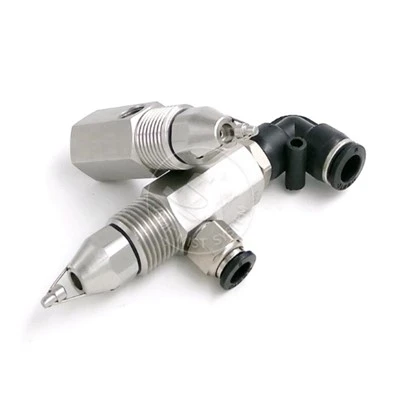
Let’s start with the most common culprit: a loose or damaged nozzle. The mist generator’s nozzles are designed to atomize water into tiny, breathable, high-velocity droplets that evaporate before they hit surfaces—but if the nozzle isn’t seated properly in its fitting, or if there’s a crack in the nozzle body, water will drip or dribble out instead of turning to mist. I once had a client with a 10-unit system in a cannabis grow space who spent three hours checking every pump and line only to find one nozzle had gotten knocked loose by a stray pallet jack. It was a quick twist of the wrench, and the leak stopped. If that’s your issue, here’s how to check: first, make sure the unit is turned off and unplugged (or the water supply is shut off—safety first, always). Locate each nozzle along your mist lines, usually spaced 1 to 3 feet apart depending on the model. Gently twist each nozzle counterclockwise to see if it wiggles loosely. If it does, remove it, inspect the base of the nozzle for debris—sometimes mineral buildup from hard water can get trapped in the threading, so a quick wipe with a clean cloth and a tiny bit of Teflon tape (just one layer, no more—too much tape can block flow) before twisting it back on clockwise until it’s snug. If you see a crack, chip, or a piece missing from the nozzle, that’s the problem. Nozzles are cheap, and replacing them is the fastest fix here. I always keep spare nozzles on hand for calls like this because they’re the most wear-and-tear part of the system.
Next up: clogged mist lines or a blocked nozzle orifice. Even if your nozzle looks fine, mineral deposits from hard water—another super common issue—can build up in the tiny hole at the end of the nozzle or in the narrow mist lines connecting to it. If that orifice is partially blocked, water can’t atomize properly, so it builds up pressure and leaks out instead of forming a fine mist. I had a data center client last winter where the humidity levels were dropping and their unit was leaking all over the server racks, and that’s exactly what was wrong. They used city water with high calcium content, and after three months, those deposits had narrowed the nozzle hole by half. How to test this: once the water supply is off and the unit is depressurized (wait 30 seconds after shutting it off to make sure all pressure is gone), remove the nozzle. Take a small, soft bristle brush (an old toothbrush works great) or a paper clip that’s been straightened and bent at the end (just make sure it’s not sharp enough to scratch the nozzle orifice—scratching can make leaks worse down the line). Gently clear any debris from the hole, then flush the nozzle with clean water. If that doesn’t work, you can soak the nozzle in white vinegar for 15 to 20 minutes to dissolve mineral buildup—just make sure you rinse it really well before putting it back. If you have hard water in your area, this is something I recommend clients do every 30 to 60 days as part of regular maintenance, not just when there’s a leak.
Another super common issue: faulty or worn seals and gaskets. The mist generator relies on rubber or plastic seals at every connection point—between the pump and the line, between the line and the nozzle, and between the unit’s main housing and the water reservoir. These seals degrade over time, especially if they’re exposed to temperature swings (hot and cold air can make rubber crack or shrink) or harsh cleaning chemicals. I once had a restaurant client whose mist generator for their patio leaked after they tried to clean the lines with a strong bleach solution that ate through the gaskets, leading to constant drips. To check for seal issues, go through every connection point: look at where the lines screw into the nozzles, where they connect to the pump, and around the reservoir cap. If you see water seeping from a seam, that’s likely a bad seal. Replacing seals is straightforward—most of our clients can get a replacement gasket kit for their model for under $20. When you replace them, make sure you’re using the exact same size and type—generic gaskets won’t fit right and will just leak again. Also, don’t overtighten connections; that can crack the fitting and cause leaks, too.
Wait a second—what if your leak is coming from the pump itself? I’ve had clients assume every leak is from the mist end, but sometimes the pump, which is the heart of the system, is the issue. If the pump’s internal seals are worn, or if there’s a crack in the pump housing, water will leak from the pump’s body. How to tell the difference: when the unit is running, watch closely—if water is dripping from the pump instead of the nozzles or lines, that’s a pump problem. Another sign is inconsistent mist output alongside the leak. Pump issues can be from old age (most industrial pumps last 3 to 5 years with regular maintenance), or from running dry—if the reservoir runs empty, the pump can overheat and damage its seals. If your pump is leaking, first check the reservoir water level to make sure it’s not running dry (I remind all clients to top off the reservoir at least once a week, depending on usage). If the level is good, then the pump’s seals are likely the issue. In some cases, you can rebuild the pump with a seal kit, but more often than not, if a pump is leaking, it’s time to replace it. I always recommend using OEM pumps for our generators because aftermarket pumps can have mismatched pressure ratings, which will cause more leaks or poor mist performance.
Now, what if you’ve checked all of that and the leak is still there? Let’s move to less obvious, but still common, issues. Pressure regulation problems. Mist generators are designed to run at a specific pressure—usually between 800 and 1200 PSI, depending on the model. If the pressure regulator (a small part on the unit that controls how much pressure runs through the lines) is faulty, it can build up too much pressure in the system, causing lines to burst, fittings to pop, or nozzles to leak. How to test this: if your generator has a pressure gauge, check the reading when the unit is running. If it’s above the manufacturer’s recommended range (that number is usually in your user manual, or you can look it up for your specific model), then the regulator is bad. Regulators aren’t expensive, but they need to be calibrated correctly—if you’re not comfortable adjusting pressure, our support team can walk you through it over the phone, or we can send a technician out if you’re in our service area.
Another thing I see all the time: improper installation. A lot of small business owners or maintenance teams try to install these generators themselves to save money, and one small misstep can lead to leaks. For example, if the mist lines are bent too sharply, that can create a kink that blocks water flow and causes pressure to build up, leading to leaks at fittings. Or if the lines are run too close together, they can rub against each other and wear through, creating a hole that leaks. When we install generators, we always leave at least an inch of slack in the lines to prevent kinks, and we space lines 6 inches apart to avoid friction. If you installed yours yourself and are now getting leaks at line bends, that’s likely the issue—you might need to re-run the line, or use a flexible hose segment at the bend to eliminate the kink.
I also want to mention something about external factors that can cause leaks. If your generator is installed in an area with extreme temperatures—like a cold warehouse in the winter where temperatures drop below freezing—water in the lines can freeze, expand, and crack the lines, nozzles, or pump. I had a client in Minnesota last year who forgot to drain their generator over a long cold weekend, and when they turned it back on, every line was cracked and leaking. Freeze damage is preventable: for any unit installed in temperatures below 40 degrees Fahrenheit, you need to drain all water from the lines and reservoir when the unit is not in use, or install a heater module designed for mist generators. That’s a quick preventative step that saves a lot of hassle and repair costs.
Now, let’s talk about when to call in a professional. If you’ve gone through all these steps and the leak is still there, or if you’re dealing with something more serious—like a line that’s burst, a pump that’s seized, or if the leak is coming from the main electrical housing (that’s a safety issue, stop running the unit immediately and disconnect power)—it’s time to reach out. I always tell clients that it’s better to get a trained tech in than to try and fix something that could cause damage to your space or create a safety hazard.
At the end of the day, most leaks on mist generators are preventable with regular maintenance: check nozzles and lines for mineral buildup every month, replace gaskets as part of annual service, keep water levels consistent, and watch for signs of wear. That’s one of the biggest pieces of advice I give—don’t wait for a leak to happen to check your system. A 10-minute monthly check can save you hundreds in repairs and downtime.
If you’ve tried these troubleshooting steps and are still having issues, or if you’re looking to upgrade your current system to reduce future leaks, our team is here to help. We work with commercial and industrial clients to provide generator sales, maintenance, and emergency service, and we can help you identify the root of your leak fast so you can get your humidity levels back on track. Whether you’re a small retail store, a large manufacturing facility, or a grow operation, we have solutions tailored to your needs.
Mist Generator References
- ASHRAE. (2021). Humidification Design Guide. American Society of Heating, Refrigerating and Air-Conditioning Engineers.
- Carrier Corporation. (2020). Maintenance and Troubleshooting Guide for High-Pressure Mist Humidification Systems. Carrier Global Corporation.
- International Society of Automation. (2019). Pressure Regulation for Commercial Fluid Handling Systems. ISA Publications.
- Water Quality Association. (2022). Hard Water Mineral Deposits in Commercial Equipment: Prevention and Mitigation. WQA Technical Bulletin.
Jinsheng Mist Forest-High Pressure Mist System
Address: 109 Yonghong Road, Wenjiang District, Chengdu City, Sichuan Province, China
E-mail: 18190767523@163.com
WebSite: https://www.jswsmist.com/
